
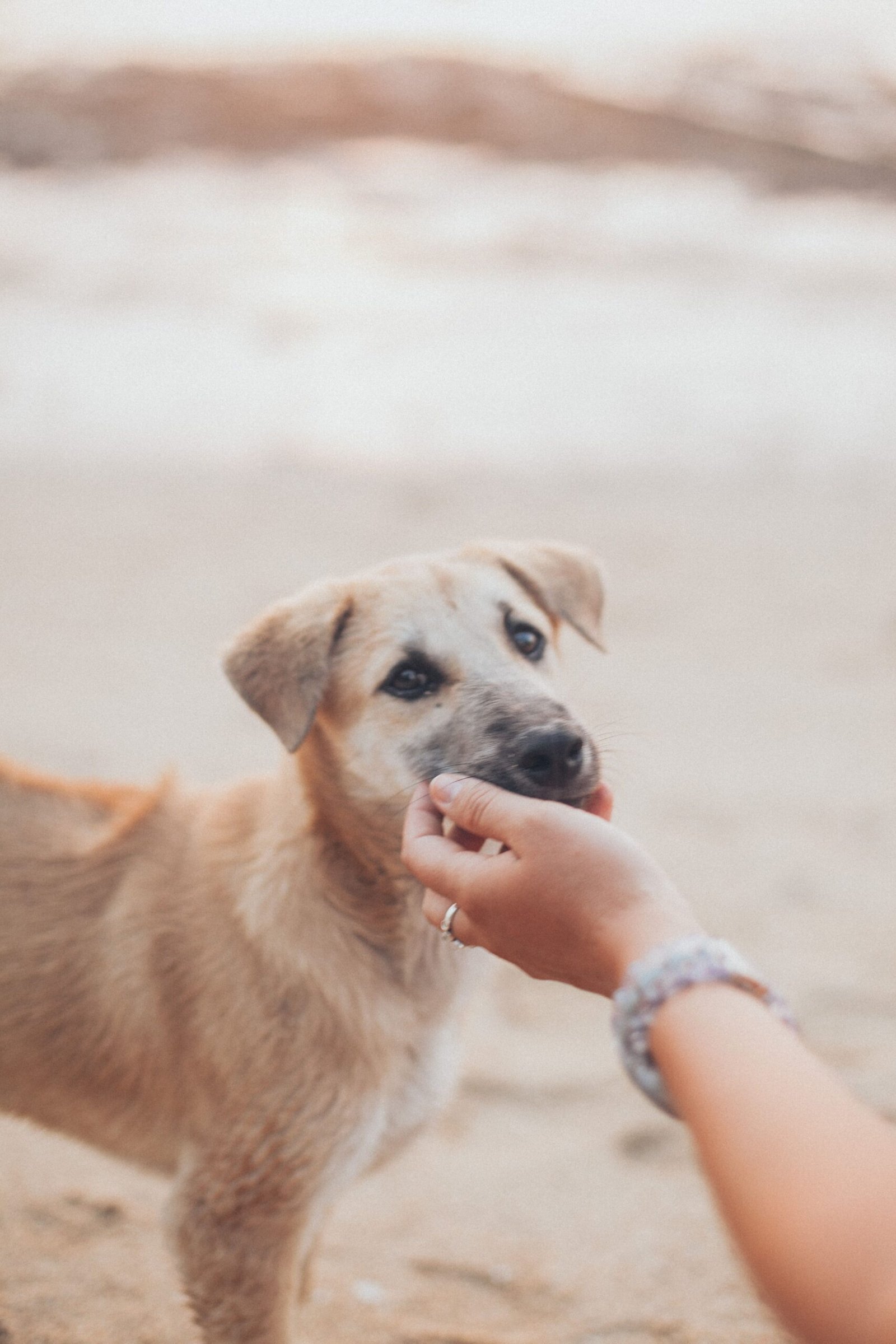
Bali is dealing with a real and ongoing rabies problem — tens of thousands of suspected rabid-animal bites are reported across the island each year, with several confirmed deaths in 2026 alone. As the WHO’s rabies fact sheet puts it plainly: rabies is close to 100% fatal once symptoms appear, but entirely preventable if you act quickly. This is one condition where “wait and see” is never the right call.
Why Rabies Is a Real Risk in Bali
Rabies has circulated in Bali’s dog population since an outbreak first took hold in 2008, and despite ongoing mass vaccination campaigns, it has never been fully eliminated. Local authorities regularly designate certain districts as “red zones” after clusters of animal cases. Key risk factors for travelers and expats:
- Street & Community Dogs: Bali’s free-roaming and community-owned dogs are the primary source of human cases, as with dog-mediated rabies worldwide.
- Temple & Forest Monkeys: Troops at Uluwatu, the Ubud Monkey Forest, and similar sites are known to bite or scratch tourists — especially when people try to feed them or the monkeys grab at bags, food, or sunglasses.
- Hiking Trails: Dogs and monkeys along routes like Mount Batur and Mount Batukaru have been involved in multi-person bite incidents.
- Cats: Less common, but confirmed rabid cats have caused human cases too — don’t assume a scratch is “safer” just because it wasn’t a dog.
What Counts as an Exposure?
The WHO classifies animal contact into three categories, and it matters which one applies:
- Category I: Touching or feeding an animal, or licks on unbroken skin. Not considered an exposure — no treatment needed.
- Category II: Minor scratches or nibbles on uncovered skin without bleeding. Requires the rabies vaccine series.
- Category III: Any bite that breaks the skin, scratches that draw blood, licks on broken skin or on the eyes/mouth/nose, or any contact with a bat. Requires the vaccine series plus Human Rabies Immunoglobulin (HRIG) injected around the wound.
If you’re not sure which category applies, treat it as Category III and get assessed — the cost of being overly cautious is trivial compared to the alternative.
If You’re Bitten or Scratched: Act Immediately
Don’t wait to see if you feel fine. There is no reliable “wait and watch” window once you’re exposed.
- Wash Immediately: Scrub the wound with soap and running water for a full 15 minutes. This single step measurably reduces your risk and should never be skipped, even if you’re heading straight to a clinic.
- Don’t Rush to Close the Wound: Deep wounds are often left open or only loosely closed initially, since sealing it can trap the virus.
- Get Post-Exposure Prophylaxis (PEP) the Same Day: PEP is a short course of rabies vaccine doses — plus HRIG for Category III exposures — started as soon as possible after exposure, ideally within hours, not days. Villa-based PEP and HRIG means you don’t need to track down an open clinic while injured.
- Try to Identify the Animal: If it’s a known pet with up-to-date vaccination records, that changes the risk calculation. A stray or unknown animal should always be treated as a potential exposure.
Recognizing Symptoms — and Why You Shouldn’t Wait For Them
Early rabies symptoms are easy to dismiss: mild fever, headache, general discomfort, and often a distinctive tingling, itching, or burning sensation right at the healed bite or scratch site. This can appear anywhere from about a week to several months after exposure — the incubation period varies widely. Once these initial symptoms progress to the nervous system — confusion, agitation, muscle spasms, fear of water (hydrophobia) or drafts of air (aerophobia) — the disease is essentially untreatable. This is exactly why PEP has to happen before symptoms start, never after.
Prevention: Reduce Your Risk in Bali
- Don’t Touch or Feed Animals: This applies to street dogs and temple or forest monkeys alike, however friendly or tourist-habituated they seem.
- Secure Food & Belongings Around Monkeys: Most monkey bites happen when someone is grabbed at or scratched while a monkey goes for food, sunglasses, or a bag.
- Consider Pre-Exposure Vaccination: If you’ll be in Bali long-term, working with animals, or doing a lot of remote hiking, a pre-exposure rabies vaccine course simplifies treatment if you’re later exposed — it removes the need for HRIG and reduces the vaccine doses required afterward.
- Keep Pets Vaccinated: If you have a dog or cat in Bali, keep its rabies vaccination current — this protects the local animal population as well as your household.
- Know Where to Go Before You Need It: Have a same-day PEP plan in mind, not something you figure out after you’re already bitten.